Reading Between the Lines: What Your Annual Lab Work Reveals About Kidneys and Diuretic Therapy
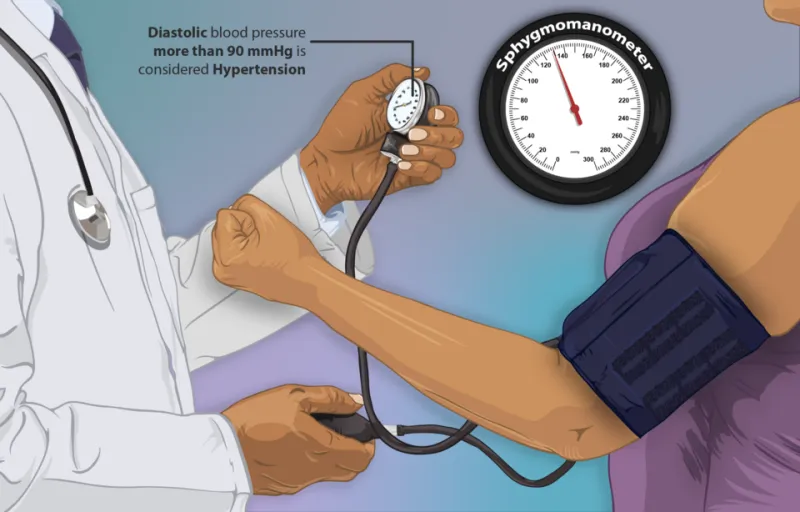
Photo: https://www.myupchar.com/en, CC BY-SA 4.0, via Wikimedia Commons
For many Americans managing conditions such as heart failure, hypertension, or chronic edema, the annual laboratory visit is a routine part of life on diuretic therapy. Yet for a surprising number of patients, the results that arrive through a patient portal or by mail remain largely mysterious. Numbers like creatinine, eGFR, and potassium appear on the page alongside reference ranges, but without context, they can generate more worry than clarity.
The concern most frequently voiced to prescribers is straightforward: Is my water pill hurting my kidneys? It is a reasonable question, and it deserves a thorough, evidence-based answer — one that goes beyond reassurance and actually explains what the numbers mean.
Why Kidney Monitoring Matters on Diuretic Therapy
Diuretics, particularly loop diuretics such as furosemide (sold under the brand name Lasix), work by prompting the kidneys to excrete excess sodium and water. Because the kidneys are the primary site of action, it is both logical and clinically appropriate to monitor their function regularly. This is not a sign that something is wrong — it is simply responsible medicine.
The kidneys filter approximately 200 liters of blood per day, and any medication that influences fluid balance has the potential to affect that process. The goal of annual labs is to confirm that the kidneys are handling this workload well and that electrolyte levels remain within a safe range. When interpreted correctly, these results are among the most useful tools available for long-term medication management.
Creatinine: The Marker Everyone Mentions but Few Understand
Creatinine is a waste product generated by normal muscle metabolism. Healthy kidneys filter it efficiently; when kidney function declines, creatinine accumulates in the bloodstream, and blood levels rise. A standard reference range for serum creatinine in adults is roughly 0.7 to 1.3 mg/dL for men and 0.5 to 1.1 mg/dL for women, though these figures vary slightly by laboratory.
Patients on diuretics sometimes see a modest increase in creatinine, particularly when a dose is adjusted upward or during periods of reduced fluid intake. A small, temporary rise — sometimes called a "creatinine bump" in clinical parlance — does not necessarily indicate kidney damage. In the context of heart failure management, for example, a modest creatinine increase alongside meaningful symptom improvement is generally considered an acceptable trade-off by most cardiologists.
What matters more than a single data point is the trend over time. A creatinine level that has remained stable at 1.1 mg/dL across three consecutive annual labs tells a very different story than one that has climbed steadily from 0.9 to 1.1 to 1.4 mg/dL. Your prescriber will evaluate both the absolute value and its trajectory.
eGFR: The Number That Puts Kidney Function in Context
The estimated glomerular filtration rate, or eGFR, is arguably the most informative single marker of kidney function available through routine bloodwork. Calculated from creatinine levels along with age, sex, and in some formulas race, eGFR estimates how many milliliters of blood the kidneys filter per minute.
A healthy adult typically has an eGFR above 90 mL/min/1.73m². Chronic kidney disease is staged based on eGFR thresholds, beginning at values below 60. For patients on diuretics who do not have pre-existing kidney disease, an eGFR that remains above 60 across annual labs is generally reassuring. Values between 45 and 60 warrant closer attention and more frequent monitoring, while values below 30 typically prompt a medication review.
It is worth emphasizing that diuretics themselves are not established causes of chronic kidney disease in patients who are appropriately monitored and hydrated. The conditions that necessitate diuretic therapy — uncontrolled hypertension, heart failure, and chronic edema — carry their own risks to kidney health. In many cases, diuretics protect the kidneys indirectly by controlling blood pressure and reducing the fluid overload that strains the entire cardiovascular system.
Electrolyte Panels: The Other Half of the Story
Beyond creatinine and eGFR, an electrolyte panel provides critical information about how the body is responding to diuretic therapy. The key values to understand include:
Potassium (K+): Loop diuretics increase potassium excretion, which can lead to hypokalemia — low potassium — if not managed. Normal serum potassium falls between 3.5 and 5.0 mEq/L. Values below 3.5 may prompt dietary adjustments, supplementation, or a change in medication strategy. Low potassium is clinically significant because it can affect heart rhythm, muscle function, and overall energy levels.
Sodium (Na+): Diuretics can occasionally cause sodium levels to drop, a condition known as hyponatremia. Symptoms may include fatigue, confusion, or headache. Routine monitoring catches this early, well before symptoms become serious.
Magnesium (Mg2+): Often overlooked, magnesium is also excreted in greater quantities during loop diuretic therapy. Low magnesium can contribute to muscle cramps and may complicate potassium management, since the two electrolytes are closely linked in the body's regulatory systems.
Blood Urea Nitrogen (BUN): Often reported alongside creatinine, BUN reflects how well the kidneys are clearing nitrogen-containing waste. An elevated BUN-to-creatinine ratio can sometimes indicate dehydration rather than intrinsic kidney dysfunction — a distinction that is clinically important when evaluating a patient on diuretics.
How Often Should Labs Be Checked?
For stable patients on a consistent diuretic dose, most clinical guidelines recommend checking kidney function and electrolytes at least once per year. However, more frequent monitoring — every three to six months — is appropriate when a dose has recently changed, when the patient has experienced significant illness or dehydration, or when baseline kidney function is already mildly reduced.
Patients who are newly started on a loop diuretic such as furosemide typically have labs checked within the first one to two weeks of therapy, then at one to three months, and annually thereafter if results remain stable. This structured approach allows prescribers to identify any early signals before they become clinically meaningful.
What to Do With Your Results
If your lab results arrive and the values fall outside the reference range, the appropriate first step is to contact your prescribing provider rather than drawing independent conclusions. A single abnormal value does not automatically indicate a problem requiring urgent action; context, trends, and clinical history all factor into interpretation.
Bring a printed or digital copy of your most recent results to every appointment, and ask your provider to walk through the values with you. Questions worth asking include: Has my creatinine changed since last year? Is my potassium within a safe range? Do any of these numbers suggest I need a dose adjustment?
At Lasix.Shop, we believe that informed patients make better health decisions. Accessing your prescription through a trusted pharmacy is only part of the equation — understanding why your provider monitors what they monitor is what transforms a routine lab visit into a genuinely useful health checkpoint.
The Bottom Line on Diuretics and Kidney Health
The clinical evidence does not support the commonly held fear that diuretics uniformly damage kidney function when used appropriately and monitored correctly. What the evidence does support is that regular laboratory monitoring is an essential safeguard — one that allows prescribers to catch small changes early and adjust therapy accordingly.
Your annual labs are not a threat. They are a tool. Learning to read them, even at a basic level, puts you in a stronger position to participate meaningfully in your own care.