Steady Over Sporadic: The Clinical Case for Taking Your Diuretic Every Single Day
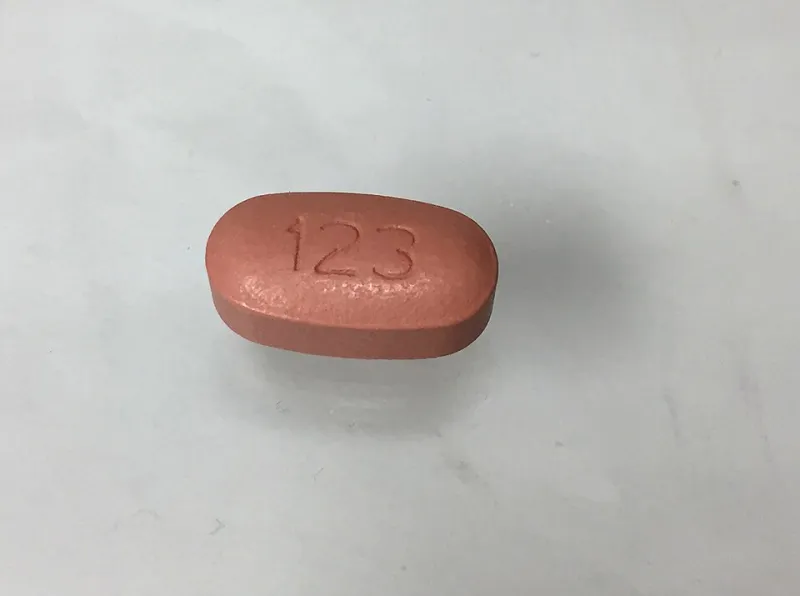
Photo: NIAID, Public domain, via Wikimedia Commons
There is an understandable logic to the idea of taking a water pill only when you feel you need one. Swelling in the ankles looks worse on Tuesday, so you take your furosemide. By Thursday it seems manageable, so you skip the dose. The following Monday, the puffiness returns — and the cycle continues. To many patients, this approach feels intuitive, even responsible. Why take a medication when the symptom appears to be under control?
The answer, rooted in cardiovascular physiology and supported by decades of clinical research, is both straightforward and consequential: the symptom appearing "under control" is itself a product of the medication working — and stopping it invites a rebound that is far more dangerous than the mild discomfort of remembering a daily pill.
Why "As Needed" Is the Wrong Framework for Diuretic Therapy
Diuretics such as furosemide (brand name Lasix) are prescribed for conditions including heart failure, hypertension, and chronic edema — all of which involve persistent, underlying physiological dysfunction. Unlike a pain reliever taken for a headache that resolves on its own, a diuretic is managing a process that does not pause between doses.
In heart failure, for example, the heart's reduced pumping efficiency causes fluid to back up into the lungs, abdomen, and extremities continuously. The kidneys respond to this hemodynamic stress by retaining sodium and water, compounding the problem. A diuretic interrupts this retention cycle — but only while it is present in the system at therapeutic levels. When a patient skips doses, fluid reaccumulates silently, often before visible swelling returns. By the time edema becomes noticeable again, the patient may already be carrying several additional pounds of retained fluid.
This is the diuretic paradox: the absence of visible symptoms can be mistaken for the absence of disease activity, when in reality it reflects the medication doing exactly what it was prescribed to do.
The Rebound Effect: What Happens Inside the Body During Inconsistent Dosing
Research published in cardiovascular medicine journals has documented what clinicians call "rebound sodium retention" — a phenomenon in which the kidneys, after a period of diuretic-induced sodium excretion, compensate by increasing retention when the drug is withheld. In practical terms, this means that patients who skip doses do not simply return to their baseline fluid status. They may temporarily retain more fluid than they would have had they never taken the medication at all.
For patients managing heart failure, this rebound can tip the scales toward acute decompensation — a medical emergency characterized by severe shortness of breath, pulmonary congestion, and the need for urgent hospitalization. According to data from the American Heart Association, heart failure hospitalizations remain one of the leading drivers of healthcare costs in the United States, with a significant portion attributed to medication non-adherence. A single preventable hospitalization can cost tens of thousands of dollars out of pocket, far exceeding the annual cost of a consistent prescription regimen.
The Psychological Barriers That Make Sporadic Dosing Tempting
Understanding why patients gravitate toward as-needed use requires acknowledging the very real psychological dimensions of chronic illness management. Several barriers are particularly common among American patients:
Fear of side effects. Frequent urination, the most recognized effect of diuretic therapy, disrupts work schedules, social plans, and sleep. Patients who experience this as burdensome may unconsciously reduce dosing frequency to reclaim a sense of normalcy.
Symptom-driven thinking. American healthcare culture often frames medication use as a response to symptoms rather than a maintenance strategy. Patients accustomed to taking antibiotics for infections or antihistamines for allergy flares may apply the same logic to a drug that requires continuous presence to function.
Concerns about long-term safety. Some patients worry that taking a diuretic every day for years will harm their kidneys or deplete essential electrolytes to dangerous levels. While electrolyte monitoring is a legitimate clinical consideration — and one your prescribing physician manages through periodic lab work — the risk of consistent, supervised diuretic therapy is substantially lower than the risk of uncontrolled fluid accumulation.
Medication fatigue. Patients managing multiple chronic conditions often take several medications simultaneously. When a pill feels optional, it becomes the first casualty of a crowded medication schedule.
Evidence-Based Reassurance About Long-Term Daily Use
The concern that daily diuretic use is inherently harmful is not supported by the clinical literature. Furosemide and other loop diuretics have been used continuously in patients with heart failure for decades, and current guidelines from organizations including the American College of Cardiology recommend maintenance diuretic therapy as a standard of care — not a temporary intervention.
The key distinction is between supervised, consistent use and unsupervised, erratic use. When a patient takes their diuretic as prescribed and maintains regular follow-up appointments, their physician can monitor kidney function, potassium levels, and blood pressure to adjust the regimen as needed. This collaborative model of care is precisely what makes long-term therapy safe and effective.
Patients who skip doses unpredictably, by contrast, introduce a variable that makes clinical monitoring less reliable. Lab results drawn after an inconsistent week of dosing may not accurately reflect the patient's true status, complicating the physician's ability to make sound adjustments.
Practical Strategies for Building a Consistent Dosing Habit
Consistency does not require willpower alone — it requires structure. Several practical approaches have demonstrated effectiveness in improving medication adherence:
- Anchor the dose to a fixed daily routine. Taking furosemide with breakfast or immediately after waking creates a behavioral association that reduces the likelihood of forgetting.
- Use a weekly pill organizer. Visual confirmation that a compartment is empty removes the uncertainty of "did I take it today?"
- Set a recurring phone alarm. A brief notification labeled with the medication name serves as a low-friction reminder without requiring active memory.
- Communicate scheduling concerns to your pharmacist or physician. If urinary frequency is disrupting your workday or sleep, there may be options to adjust the timing of your dose — but this should be done in consultation with your care team, not unilaterally.
- Reframe the goal. Rather than thinking of your diuretic as something you take when you feel bad, consider it infrastructure — a daily maintenance task, like checking tire pressure, that prevents a larger failure down the road.
The Cost-Effectiveness Argument for Consistency
Beyond the clinical rationale, there is a compelling financial case for daily adherence. Generic furosemide remains among the most affordable prescription medications available in the United States, with monthly costs often under ten dollars at major pharmacy chains. Contrast that with the average cost of a heart failure-related emergency department visit — which frequently exceeds $3,000 before hospitalization — and the arithmetic becomes difficult to ignore.
Consistent therapy, managed through a reliable pharmacy partner, is not simply a clinical recommendation. It is an investment in avoiding far more expensive interventions later.
A Note From Lasix.Shop
At Lasix.Shop, our mission is to ensure that every patient has access to the medications they need, along with the information required to use them effectively. If you have questions about your diuretic regimen, concerns about side effects, or uncertainty about whether your current dosing schedule is optimized, our licensed pharmacy team is available to provide guidance. Consistent therapy, supported by professional oversight, is the foundation of better outcomes — and we are here to help you build that foundation one day at a time.