How Loop Diuretics Actually Work: A Clear Explanation of Furosemide and Water Pill Therapy

Photo: Rhoda Baer (Photographer), Public domain, via Wikimedia Commons
For millions of Americans managing conditions such as heart failure, chronic kidney disease, or persistent edema, the phrase "water pill" is a familiar one. Yet despite their widespread use, diuretic medications remain poorly understood by a significant portion of the patients who rely on them daily. At Lasix.Shop, we believe that informed patients are empowered patients. Understanding your medication—not just taking it—is a foundational step toward better health outcomes.
This article offers a thorough, accessible explanation of how diuretics function, why physicians select specific types for particular conditions, and what responsible self-monitoring looks like during therapy.
What Exactly Is a Diuretic?
A diuretic is any substance that promotes the increased production of urine. By encouraging the kidneys to excrete more sodium and water, diuretics help reduce the volume of fluid circulating throughout the body. This mechanism is therapeutically valuable in a range of conditions where excess fluid accumulates in tissues, blood vessels, or body cavities.
Diuretics are not a single drug—they are a class of medications divided into several categories based on where and how they act within the kidney's filtration system. The three primary types are loop diuretics, thiazide diuretics, and potassium-sparing diuretics. Each works at a different segment of the nephron, which is the microscopic functional unit of the kidney responsible for filtering blood.
The Nephron: A Brief Anatomy Lesson
To appreciate how furosemide works, a basic understanding of the nephron is helpful. Blood enters the nephron through a structure called the glomerulus, where it is filtered under pressure. The filtered fluid then passes through several tubular segments—the proximal tubule, the loop of Henle, the distal tubule, and finally the collecting duct—before being excreted as urine or reabsorbed into the bloodstream.
Sodium reabsorption occurs at multiple points along this pathway, and different diuretics block this process at different locations. The location of action largely determines the potency and specific clinical application of each drug.
Loop Diuretics: The Most Potent Class
Furosemide, sold under the brand name Lasix and available in generic form, belongs to the loop diuretic class—named for the loop of Henle, the segment of the nephron where these drugs exert their primary effect. Specifically, furosemide inhibits a protein known as the sodium-potassium-chloride cotransporter (NKCC2) located on the thick ascending limb of the loop of Henle.
Under normal circumstances, this cotransporter reabsorbs a substantial portion of filtered sodium back into circulation. When furosemide blocks it, sodium remains in the tubular fluid and is eventually excreted in the urine. Water follows sodium by osmosis, resulting in significantly increased urine output.
This mechanism makes loop diuretics the most powerful agents in the diuretic class. They can produce rapid, robust fluid removal—a characteristic that is clinically essential in acute situations.
Conditions That Prompt a Furosemide Prescription
Physicians prescribe furosemide for a variety of diagnoses, each rooted in the same underlying problem: the body is retaining more fluid than it should.
Heart Failure: When the heart's pumping capacity is compromised, blood backs up in the venous system, causing fluid to leak into surrounding tissues. Patients often experience swelling in the legs, ankles, and feet, as well as pulmonary congestion—fluid accumulation in the lungs—that causes shortness of breath. Furosemide rapidly reduces this fluid burden, relieving symptoms and reducing the workload on the heart.
Hypertension: Although thiazide diuretics are more commonly the first-line choice for high blood pressure, furosemide may be prescribed when kidney function is impaired or when other medications have proven insufficient.
Chronic Kidney Disease and Nephrotic Syndrome: Diseased kidneys may fail to adequately regulate fluid balance, leading to generalized edema. Furosemide helps manage this excess volume.
Liver Cirrhosis: Advanced liver disease can cause ascites, a condition in which fluid accumulates in the abdominal cavity. Furosemide is often used in combination with spironolactone to manage this complication.
Hypercalcemia: Elevated calcium levels in the blood can be life-threatening. Because loop diuretics also increase calcium excretion, furosemide is sometimes used as part of emergency treatment protocols.
Dosing, Forms, and Administration
Furosemide is available in oral tablet form (20 mg, 40 mg, and 80 mg), as an oral solution, and as an injectable formulation for hospital use. Oral tablets are the most common form for outpatient management.
Dosing is highly individualized. A physician may begin a patient on a low dose and titrate upward based on response and tolerance. Patients are typically advised to take furosemide in the morning to avoid disrupted sleep from nighttime urination, though some individuals require twice-daily dosing.
Consistency matters. Taking furosemide at approximately the same time each day helps maintain stable fluid balance and makes it easier to track how the body is responding.
Side Effects and Safety Considerations
Like all prescription medications, furosemide carries a risk of side effects. Patients and caregivers should be familiar with the most clinically significant ones.
Electrolyte Imbalances: Because furosemide promotes the excretion of sodium, potassium, magnesium, and calcium, electrolyte depletion is the most common concern. Low potassium (hypokalemia) is particularly noteworthy, as it can cause muscle cramps, weakness, fatigue, and in severe cases, cardiac arrhythmias. Physicians frequently monitor potassium levels through blood tests and may recommend potassium supplementation or dietary adjustments.
Dehydration: Excessive fluid removal can lead to dehydration, especially in elderly patients or during periods of illness. Signs include dizziness, dry mouth, decreased urination, and lightheadedness upon standing.
Ototoxicity: At high doses—particularly with intravenous administration—furosemide has been associated with hearing changes. This risk is greater in patients with pre-existing kidney impairment.
Increased Blood Sugar and Uric Acid: Furosemide can elevate blood glucose levels, a concern for patients with diabetes, and may raise uric acid concentrations, potentially triggering gout in susceptible individuals.
Drug Interactions: Furosemide interacts with numerous medications, including aminoglycoside antibiotics, NSAIDs (such as ibuprofen), and certain blood pressure drugs. Always inform your pharmacist and prescriber of all medications, supplements, and over-the-counter products you use.
What Patients Should Monitor
Active participation in your own care is essential when taking furosemide. Your healthcare team will likely recommend the following monitoring practices:
- Daily weight checks: Weigh yourself each morning after urinating, before eating, and wearing similar clothing. A weight gain of more than two to three pounds in 24 hours, or five pounds in a week, warrants a call to your provider.
- Blood pressure monitoring: Home blood pressure cuffs are widely available and can help detect hypotension early.
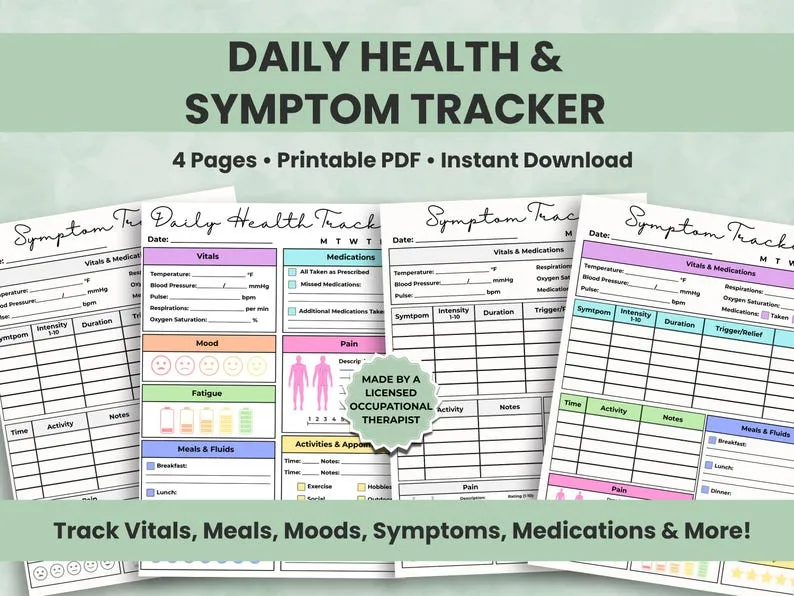
- Symptom journaling: Note any changes in swelling, breathing difficulty, urination patterns, or energy levels.
- Laboratory testing: Routine blood panels checking kidney function and electrolytes are standard during furosemide therapy.
A Final Note on Prescription Diuretics
Furosemide is a powerful, well-established medication that has improved quality of life for countless Americans managing chronic and acute conditions. However, it is not without complexity. Self-adjusting doses, stopping the medication abruptly, or combining it with supplements without medical guidance can lead to serious complications.
At Lasix.Shop, our team of licensed pharmacists is available to answer questions about your prescriptions, clarify potential interactions, and support you in taking your medications safely. We partner with patients and providers alike to ensure that pharmaceutical care is not just transactional—it is genuinely therapeutic.