Living Well With Fluid Retention: Practical Strategies for Patients on Diuretic Therapy
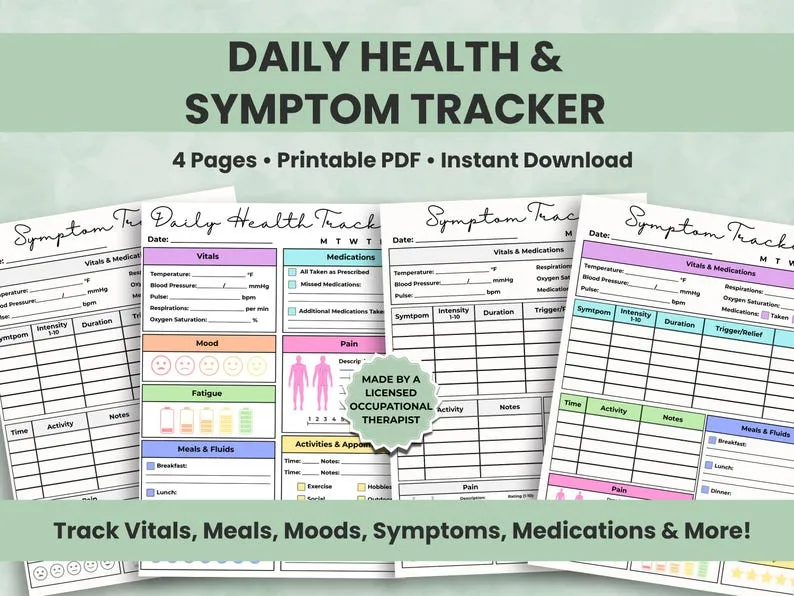
Photo: patient tracking daily health symptoms in journal with medication on table, via i.etsystatic.com
Receiving a prescription for a diuretic medication is often a turning point—a moment when a diagnosis becomes real and daily routines must shift to accommodate a new health reality. Whether you have been prescribed furosemide for heart failure, a thiazide for hypertension, or another diuretic agent for chronic edema, the medication itself is only one component of an effective management plan.
The patients who fare best over time are those who treat their condition holistically: they take their medications consistently, modify their diets thoughtfully, build monitoring habits into their routines, and maintain open communication with their care teams. This guide is designed to help you do exactly that.
Understanding Why Lifestyle Modifications Matter
Diuretics are effective tools, but they work most efficiently when supported by complementary behaviors. Consider an analogy: if a diuretic is a pump working to remove excess water from a basement, continuing to leave the faucet running overhead will overwhelm even the best pump. Lifestyle factors—particularly sodium intake—function as that faucet.
The body retains water in direct proportion to sodium. When dietary sodium is high, the kidneys signal the body to hold onto more fluid to dilute the salt concentration in the blood. This physiological response can counteract the fluid-reducing effects of your medication, making symptoms harder to control and potentially prompting dose increases that carry additional side effect risks.
Adopting supportive lifestyle habits is not about perfection—it is about giving your medication the best possible environment in which to work.
Sodium Reduction: The Single Most Impactful Dietary Change
For most patients managing fluid retention, reducing dietary sodium is the most consequential nutritional adjustment they can make. The American Heart Association recommends no more than 2,300 milligrams of sodium per day for the general population, and many cardiologists advise patients with heart failure or significant edema to aim for 1,500 to 2,000 milligrams daily.
To put that in perspective: a single fast-food meal can easily contain 2,000 milligrams or more. A can of condensed soup may contain 800 milligrams per serving. Sodium is pervasive in the American food supply, embedded in processed foods, restaurant meals, canned goods, condiments, and even bread.
Practical strategies for cutting sodium:
- Read nutrition labels carefully. Compare similar products and choose those with lower sodium per serving. Look for "low sodium" (140 mg or less per serving) or "no salt added" designations.
- Cook at home as often as possible. Home cooking gives you full control over ingredients. Use herbs, citrus zest, garlic, vinegar, and spices to build flavor without salt.
- Rinse canned goods. Draining and rinsing canned beans, vegetables, and fish can reduce their sodium content by up to 40 percent.
- Limit restaurant meals. When eating out, request sauces and dressings on the side, ask for grilled rather than seasoned preparations, and avoid dishes described as "brined," "cured," or "pickled."
- Be cautious with condiments. Soy sauce, teriyaki sauce, ketchup, and salad dressings are frequently high in sodium. Use sparingly or seek reduced-sodium alternatives.
If you find sodium restriction challenging, consider working with a registered dietitian. Many insurance plans, including Medicare, cover medical nutrition therapy for qualifying conditions.
Fluid Intake: A Nuanced Discussion
Many patients assume that because they are taking a medication to remove fluid, they should also drastically restrict their fluid intake. This is not universally true and can actually be counterproductive or dangerous.
For patients with mild edema or hypertension, standard hydration guidelines typically apply—roughly six to eight cups of water per day. However, patients with advanced heart failure or severe kidney disease may be given specific fluid restriction targets by their physicians, sometimes as low as 1.5 to 2 liters per day.
Do not self-impose fluid restrictions without explicit guidance from your healthcare provider. Dehydration carries its own serious risks, including kidney injury, electrolyte imbalances, and dizziness-related falls. Always follow your physician's individualized recommendations.
Daily Symptom Monitoring: Building a Reliable Routine
Consistent self-monitoring is one of the most powerful tools a patient has. It enables early detection of worsening symptoms and provides your healthcare team with objective data to guide treatment decisions.
Daily weight measurement is the cornerstone of fluid retention monitoring. Weight changes are often the earliest indicator of fluid shifts—preceding visible swelling or breathing changes by hours. Weigh yourself every morning under consistent conditions: after your first trip to the bathroom, before eating or drinking, and in similar clothing each time. Record the number in a journal, a smartphone app, or a paper log.
Contact your healthcare provider if you gain:
- More than 2 to 3 pounds in a single day
- More than 5 pounds in one week
These thresholds are general guidelines; your physician may give you a personalized action plan.
Additional symptoms to track and report:
- Increased swelling in the legs, ankles, feet, or abdomen
- Shortness of breath, especially when lying flat or during mild exertion
- Persistent fatigue or unusual weakness
- Decreased urination or very dark urine (potential signs of dehydration)
- Muscle cramps, particularly in the legs (may indicate low potassium)
- Heart palpitations or irregular heartbeat
- Confusion or unusual lightheadedness
Keeping a simple daily log—even just a few lines—transforms vague impressions into useful clinical information.
Positioning and Physical Activity
For patients experiencing lower-extremity edema, gravity is both a contributing factor and a tool. Elevating the legs above heart level for 30 minutes, two to three times per day, encourages fluid to drain from the tissues back into circulation, where it can be processed by the kidneys.
When sleeping, positioning a pillow or wedge under the calves (not just the feet) can help reduce overnight fluid accumulation. Compression stockings, when fitted properly and worn consistently, can also assist in preventing fluid from pooling in the lower legs.
Light physical activity, when cleared by your physician, is beneficial for most patients with stable fluid retention. Walking promotes venous return, supports cardiovascular health, and can modestly assist in fluid regulation. Avoid prolonged sitting or standing in one position, as both can worsen dependent edema.
Medication Adherence: Why Consistency Is Non-Negotiable
Skipping doses, adjusting timing arbitrarily, or stopping a diuretic without medical guidance can lead to rapid fluid reaccumulation—sometimes severe enough to require emergency intervention. Diuretics do not "cure" the underlying condition; they manage its effects. The moment the medication stops, the physiological process that drives fluid retention resumes.
If you are experiencing side effects that make adherence difficult—such as frequent urgent urination at inconvenient times, or significant fatigue—speak with your prescriber. Dose timing adjustments, alternative medications, or supplementation strategies may be available.
Organizing your medications using a weekly pill organizer, setting phone reminders, or linking your dose to a consistent daily habit (such as morning coffee) can substantially improve adherence over time.
Avoiding Common Pitfalls
Several behaviors can inadvertently undermine diuretic therapy:
- Taking NSAIDs without guidance. Over-the-counter pain relievers such as ibuprofen (Advil, Motrin) and naproxen (Aleve) can blunt the effectiveness of diuretics and worsen kidney function. Acetaminophen (Tylenol) is generally a safer alternative for pain management in patients on diuretics, but always confirm with your provider.
- Ignoring potassium depletion. If your physician has recommended potassium supplementation or potassium-rich foods such as bananas, oranges, sweet potatoes, and leafy greens, take that guidance seriously. Hypokalemia is a preventable complication with real consequences.
- Using herbal diuretics alongside prescription medications. Supplements marketed as "natural water pills"—including dandelion, juniper berry, and green tea extract—can interact unpredictably with prescription diuretics. Disclose all supplements to your pharmacist and physician.
When to Seek Immediate Medical Attention
While routine symptom changes warrant a call to your provider's office, certain signs require emergency care. Call 911 or go to the nearest emergency room if you experience:
- Sudden, severe shortness of breath
- Chest pain or pressure
- Fainting or loss of consciousness
- Sudden, marked swelling of the face, lips, or throat
- Confusion or difficulty speaking
These symptoms may indicate acute decompensated heart failure, a severe allergic reaction, or another medical emergency that requires immediate intervention.
Your Pharmacy as a Health Partner
At Lasix.Shop, we recognize that managing a chronic condition is a continuous process—not a single transaction. Our licensed pharmacists are available to review your medication list for potential interactions, answer questions about side effects, and help you navigate the practical challenges of long-term diuretic therapy.
We also offer convenient prescription fulfillment with the guidance of professionals who understand the nuances of medications like furosemide. Because when it comes to your health, access to accurate information and reliable pharmaceutical care should always go hand in hand.