Heat, Hydration, and Your Prescription: Managing Diuretic Therapy Through the Summer Months

Photo: senior patient drinking water outdoors in summer heat with medication pill organizer, via www.comfortkeepers.ca
Summer in the United States brings longer days, outdoor gatherings, and for many Americans, a meaningful disruption to the carefully balanced routines that keep chronic health conditions under control. For the millions of patients managing fluid retention, hypertension, or heart failure with diuretic medications, the season introduces variables that deserve serious attention — not alarm, but informed preparation.
At Lasix.Shop, we work with patients year-round to ensure their medication regimens remain safe and effective regardless of what life brings. Summer, with its heat, humidity, travel, and irregular schedules, consistently presents challenges that benefit from a proactive strategy. This guide addresses the most common warm-weather concerns for patients on diuretic therapy and provides actionable guidance for navigating them confidently.
How Summer Heat Changes Your Body's Fluid Dynamics
To understand why summer matters for diuretic patients, it helps to first appreciate what heat does to the body's fluid balance. When temperatures climb, the body activates its primary cooling mechanism: perspiration. Sweating is an efficient system, but it comes at a cost — the loss of water, sodium, potassium, magnesium, and other electrolytes that are essential to normal physiological function.
For a person not taking any medications, this fluid loss is typically manageable with adequate hydration. For a patient already taking a loop diuretic such as furosemide, or a thiazide such as hydrochlorothiazide, the equation becomes considerably more complex. These medications already promote the excretion of fluid and electrolytes through the kidneys. When heavy sweating is added to that baseline loss, the combined effect can accelerate dehydration and electrolyte depletion more rapidly than either factor would produce alone.
This does not mean diuretic patients should avoid summer activities — far from it. It means they need to approach those activities with a clear understanding of their body's altered fluid dynamics and a plan to compensate accordingly.
Recognizing Dehydration Before It Becomes Dangerous
Dehydration in diuretic patients can be particularly insidious because the early symptoms are easy to dismiss or attribute to the heat itself. Knowing what to watch for is the first step in staying ahead of the problem.
Early warning signs include:
- Darker urine — pale yellow is ideal; amber or darker shades suggest insufficient fluid intake
- Dry mouth or persistent thirst
- Lightheadedness or dizziness, particularly when standing up quickly (a sign of orthostatic hypotension)
- Headache or difficulty concentrating
- Reduced urination despite taking a diuretic medication
- Muscle cramps, which may indicate both dehydration and electrolyte imbalance
If you experience pronounced dizziness, a rapid or irregular heartbeat, extreme weakness, or confusion, seek medical attention promptly. These symptoms may indicate a more serious level of dehydration or electrolyte disturbance.
Smart Hydration Strategies for Outdoor Activities
Hydration guidance for diuretic patients is nuanced. Unlike the general public, patients on fluid-restricting medications often receive specific instructions from their physicians about daily fluid intake — particularly those managing heart failure or kidney disease, where overhydration is also a clinical concern.
Always follow your physician's fluid guidelines first. The strategies below are intended to complement those instructions, not replace them.
For patients without a strict fluid restriction:
- Drink consistently, not reactively. Thirst is a lagging indicator of dehydration. By the time you feel thirsty in summer heat, your fluid deficit has already begun. Sip water steadily throughout the day rather than consuming large amounts infrequently.
- Choose water as your primary beverage. Sugary sodas and caffeinated drinks can contribute to dehydration rather than correcting it. Sports drinks may be appropriate for extended outdoor activity, but discuss their sodium and potassium content with your pharmacist, particularly if you have restrictions on either electrolyte.
- Time outdoor activities strategically. Scheduling exercise or yard work for early morning or evening hours, when temperatures are lower, reduces sweat-related fluid loss significantly.
- Dress appropriately. Light-colored, loose-fitting, breathable clothing reduces heat absorption and minimizes perspiration.
Dosing Schedules and the Summer Disruption Factor
Summer travel, holiday weekends, and irregular schedules are among the most common reasons patients inadvertently miss or double doses of their medications. Consistency is particularly important with diuretics, as abrupt interruptions can cause rapid fluid reaccumulation, while accidental double-dosing can produce excessive fluid and electrolyte loss.
Practical steps to maintain consistent dosing through summer:
- Use a pill organizer or medication reminder app. When your daily routine shifts, visual cues and digital reminders become especially valuable. Several free apps available on iOS and Android can be set to alert you at your prescribed dosing times.
- Plan ahead for travel across time zones. If you are traveling from the East Coast to the Pacific Coast or beyond, discuss with your pharmacist how to adjust your dosing schedule to account for the time difference. Gradual transitions are generally preferable to abrupt shifts.
- Keep medications properly stored during travel. Many medications, including certain diuretics, should not be exposed to excessive heat. Store your prescription in a cool, dry location — not in a hot car, beach bag, or outdoor cooler. A small insulated medication case is an inexpensive and worthwhile investment for summer travel.
- Request a vacation supply early. If summer travel will take you away from your usual pharmacy, request a travel supply of your medication in advance. Lasix.Shop offers convenient prescription fulfillment that can accommodate patients whose summer plans take them away from home.
When to Contact a Pharmacist or Physician
Summer conditions do not automatically require changes to your diuretic prescription, but certain circumstances warrant a conversation with your care team before problems arise.
Consider reaching out if:
- You are planning an extended trip to a hot, humid climate and are unsure how your body will respond
- You have recently increased your physical activity level significantly
- You are experiencing more frequent or severe leg cramps than usual
- You notice your weight fluctuating more than two to three pounds in a single day (a common indicator of fluid retention changes)
- You are considering starting a new supplement or electrolyte product
- You have been ill with vomiting or diarrhea, which can accelerate fluid and electrolyte loss dramatically when combined with diuretic therapy
Your pharmacist is a frequently underutilized resource in these situations. A brief consultation can clarify whether your current regimen requires any adjustment and provide peace of mind before a concern becomes a complication.
Monitoring Your Weight: A Simple, Powerful Tool
Physicians routinely recommend that patients on diuretics weigh themselves daily, at the same time each morning, after using the restroom and before eating or drinking. This practice is especially valuable in summer, when fluid shifts can be more pronounced.
A gain of more than two pounds overnight, or more than five pounds within a week, may indicate that fluid is accumulating despite your medication — a signal worth reporting to your healthcare provider. Conversely, unexpectedly rapid weight loss may suggest that fluid is being removed too aggressively in the context of summer sweating.
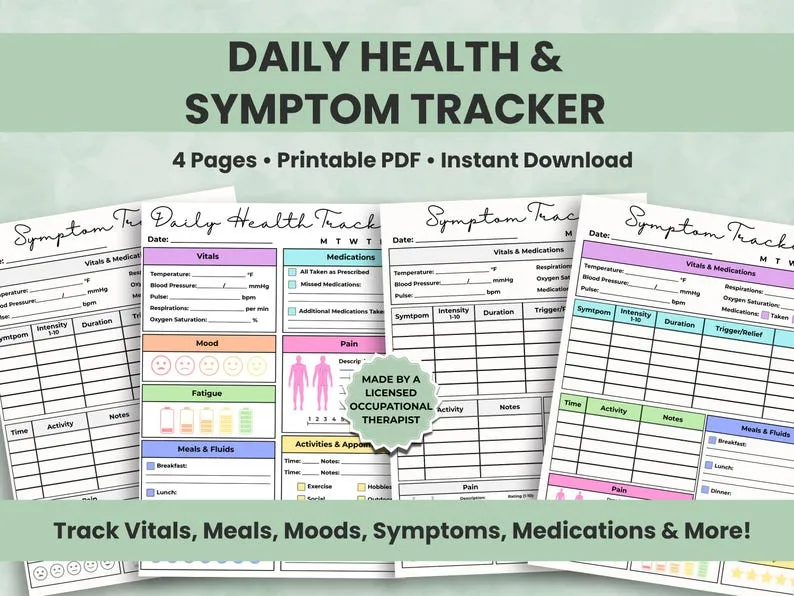
Keep a simple log of your daily weights throughout the season. This data provides your care team with meaningful clinical information and allows them to make evidence-based adjustments when needed.
Enjoying Summer Safely With the Right Support
A diuretic prescription should not confine you to indoor activities or limit your enjoyment of the season. With appropriate awareness, consistent monitoring, and open communication with your healthcare providers and pharmacist, summer can be as active and fulfilling as any other time of year.
At Lasix.Shop, our mission is to deliver trusted pharmaceutical care that extends beyond the prescription itself. Whether you have questions about how summer heat interacts with your specific medication, need guidance on electrolyte management during outdoor activities, or want to ensure your travel supply is ready before your vacation, our team is here to support you every step of the way.