Why Your Physician Won't Trade Your Prescription for Herbal Drops: The Clinical Truth About Natural Diuretics

Photo: herbal supplements versus prescription medication comparison on doctor's desk, via cdn.shopify.com
The Appeal of Going Natural Is Understandable
For many Americans, the instinct to seek a more "natural" path to health is deeply intuitive. Herbal supplements line pharmacy shelves alongside prescription medications, wellness influencers champion dandelion root tea as a kidney cleanser, and cranberry extract is promoted for everything from urinary health to fluid balance. When a patient is already taking a prescription diuretic like furosemide—and managing its side effects, refill schedules, and dietary restrictions—it is entirely reasonable to wonder whether a gentler botanical option might accomplish the same goal with fewer complications.
This question comes up frequently in clinical settings. Pharmacists and physicians alike hear it regularly: Can I just switch to something natural? The answer, when a patient is managing a serious cardiovascular or renal condition, is almost always no. That answer is not reflexive caution or pharmaceutical bias. It is grounded in a body of evidence that reveals stark differences between herbal products and regulated prescription medications.
What "Natural Diuretics" Actually Are
The term "natural diuretic" typically refers to a loose category of botanical substances and dietary supplements believed to promote urine output. Common examples include:
- Dandelion leaf extract (Taraxacum officinale)
- Hibiscus tea
- Parsley
- Caffeine (present in coffee and tea)
- Juniper berry
- Cranberry supplements
- Green tea extract
Some of these substances do have mild diuretic properties that have been observed in small-scale studies. Dandelion leaf, for instance, demonstrated a modest increase in urinary frequency in a 2011 pilot study published in the Journal of Alternative and Complementary Medicine. However, "modest" and "mild" are the operative words. For a healthy individual looking to reduce minor bloating, that may be sufficient. For a patient with decompensated heart failure or stage 3 chronic kidney disease, it is pharmacologically inadequate.
The Dosing Problem: Why Inconsistency Is Dangerous
One of the most significant concerns with herbal diuretics is the absence of standardized dosing. When a physician prescribes furosemide at 40 mg daily, that number reflects decades of pharmacokinetic research, clinical trials, and FDA-reviewed safety data. The dose is calibrated to produce a predictable volume of fluid removal, monitored against electrolyte panels, and adjusted based on a patient's weight, renal function, and comorbid conditions.
Herbal supplements carry no equivalent guarantee. The concentration of active compounds in a bottle of dandelion extract can vary significantly between manufacturers, between production batches, and even between capsules within the same bottle. The FDA does not require supplement manufacturers to demonstrate efficacy or consistent potency before bringing a product to market. This regulatory gap—enshrined in the 1994 Dietary Supplement Health and Education Act (DSHEA)—means that a patient self-treating with herbal diuretics has no reliable way to know how much active compound they are actually consuming.
For conditions where fluid overload can precipitate a medical emergency, this unpredictability is not a minor inconvenience. It is a genuine clinical risk.
Heart Failure: Where the Stakes Are Highest
Consider the context of congestive heart failure, one of the primary indications for loop diuretics like furosemide. In this condition, the heart's reduced pumping efficiency causes fluid to accumulate in the lungs, abdomen, and extremities. Prompt, reliable diuresis is not optional—it is life-sustaining.
Loop diuretics work by inhibiting the sodium-potassium-chloride cotransporter in the thick ascending limb of the loop of Henle in the kidney, producing robust and predictable fluid excretion. No herbal supplement currently available replicates this mechanism at a clinically meaningful scale. A patient who substitutes furosemide with hibiscus tea based on an online recommendation is not making a lateral trade. They are removing a pharmacological safeguard from a system that depends on it.
Cardiologists and heart failure specialists are unambiguous on this point. The consequences of undertreated fluid overload in heart failure—pulmonary edema, respiratory distress, hospitalization, and death—are well-documented and serious.
Hypertension: Efficacy Data That Herbal Products Cannot Match
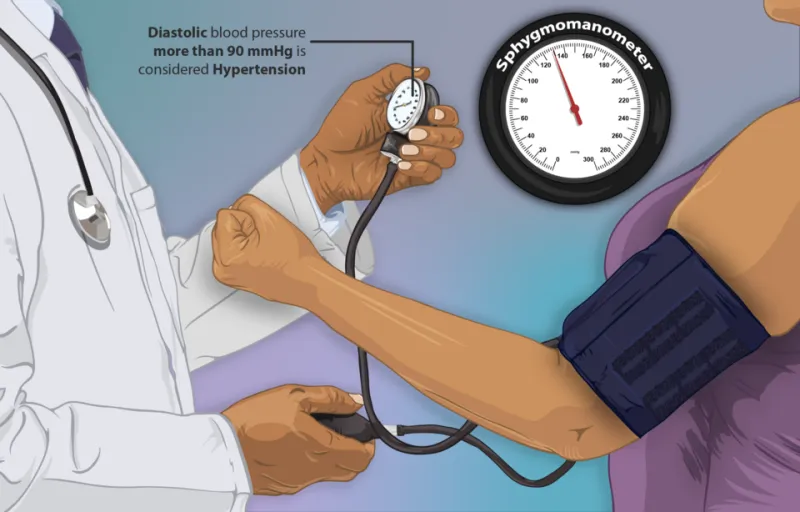
For patients using diuretics as part of a hypertension management regimen, the evidence gap is equally pronounced. Thiazide diuretics and loop diuretics have been evaluated in large-scale randomized controlled trials—including the landmark ALLHAT study, which enrolled over 42,000 participants—demonstrating statistically significant reductions in cardiovascular events.
Herbal diuretics have not been subjected to equivalent scrutiny. The few studies that exist are typically small, short-term, and not designed to evaluate outcomes like stroke reduction or myocardial infarction prevention. Recommending a herbal product as a substitute for a medication with that level of evidence would not meet any reasonable standard of clinical care.
Electrolyte Monitoring: A Safety Net That Disappears With Supplements
Prescription diuretic therapy involves an ongoing clinical relationship. Patients on furosemide or similar medications receive periodic blood work to monitor potassium, sodium, creatinine, and other markers. This surveillance exists because diuretics can shift electrolyte balances in ways that, left unchecked, affect heart rhythm and kidney function.
Patients who self-treat with herbal diuretics typically do so outside of this monitoring framework. There is no baseline lab value, no follow-up panel, and no clinician tracking changes over time. Even if a botanical supplement were producing meaningful diuresis—which most do not—the absence of electrolyte monitoring would introduce its own category of risk.
What Patients Can Reasonably Expect From Lifestyle Measures
None of this is to suggest that lifestyle modifications are without value. Sodium restriction, adequate hydration, regular physical activity, and dietary adjustments all play a meaningful supporting role in managing fluid retention and blood pressure. Physicians and pharmacists at Lasix.Shop consistently encourage patients to pursue these measures alongside—not instead of—their prescribed medication regimen.
The distinction matters. Complementary approaches that support a prescription therapy are clinically appropriate. Substitutions that remove a proven intervention in favor of an unverified one are not.
A Note on Patient Autonomy and Open Conversation
Physicians who decline requests to switch to natural alternatives are not dismissing patient preferences. They are applying clinical judgment to protect patient safety. That said, the conversation itself is worth having openly. If cost, side effects, or convenience are driving interest in alternatives, those are legitimate concerns that a prescriber or pharmacist can help address—whether through generic formulations, dose adjustments, or additional counseling on managing therapy-related symptoms.
At Lasix.Shop, our pharmacy team is available to discuss your prescription diuretic regimen in detail, answer questions about what your medication is doing and why, and help you navigate the practical realities of long-term therapy. Informed patients make better health decisions, and that starts with understanding the science behind the prescription in your hand.
The Bottom Line
Herbal diuretics occupy a legitimate space in the wellness market for people with minor, non-medical concerns about fluid retention. For patients managing heart failure, hypertension, nephrotic syndrome, or chronic edema, they are not a safe or effective substitute for regulated prescription therapy. The pharmacological mechanisms, the clinical evidence, the dosing consistency, and the safety monitoring that define prescription diuretic care simply do not exist in the supplement aisle. Your physician's reluctance to make the switch is not resistance to your preferences—it is an expression of the clinical responsibility they carry on your behalf.