The Turning Point: How Diuretic Therapy Changed Everyday Life for Patients Across America
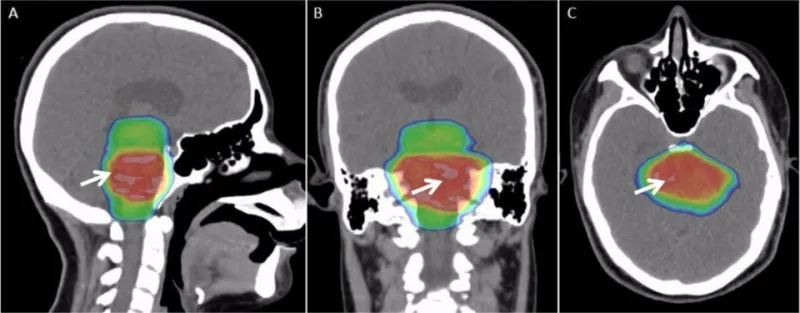
Photo: Sison J, Tran H, Margol A, et al. (2017), CC BY 3.0, via Wikimedia Commons
There is a particular kind of exhaustion that comes not from overwork or poor sleep, but from carrying fluid that your body cannot expel on its own. It settles in the ankles by afternoon, climbs to the calves by evening, and by morning it has made pulling on shoes a small ordeal. For millions of Americans living with heart failure, hypertension, or chronic edema, this was simply life—until it wasn't.
Proper diuretic therapy, when prescribed thoughtfully and managed with care, has the potential to return a patient to a version of themselves they thought was gone. The stories below represent a range of experiences shared by patients who have navigated that transition. While individual results vary and no medication is without its considerations, their accounts offer a meaningful window into what carefully guided pharmaceutical care can accomplish.
Margaret, 68 — Heart Failure and the Stairs She Stopped Climbing
Margaret, a retired schoolteacher from suburban Ohio, spent nearly two years avoiding the second floor of her own home. The shortness of breath that came with climbing stairs had grown so pronounced that she began sleeping on her living room couch to spare herself the effort. Her ankles, she recalls, looked "like they belonged to someone twice my size."
Her cardiologist eventually diagnosed her with heart failure with reduced ejection fraction and prescribed a loop diuretic as part of a broader treatment protocol. Within the first week, she noticed a dramatic change in her urine output and, subsequently, in the tightness around her lower legs. Within three weeks, she climbed the stairs to her bedroom for the first time in months.
"It wasn't a miracle—I still had to manage my salt intake and check my weight every morning," she says. "But I felt like I had some control back. I could breathe again."
Margaret's experience reflects a common pattern among heart failure patients. When excess fluid accumulates around the lungs and in peripheral tissues, the cardiovascular system is under constant additional strain. Loop diuretics work by blocking sodium reabsorption in the kidney's loop of Henle, prompting the body to shed that fluid through urination. The relief, when it comes, can feel profound.
Daily Weight Monitoring: The Habit That Makes a Difference
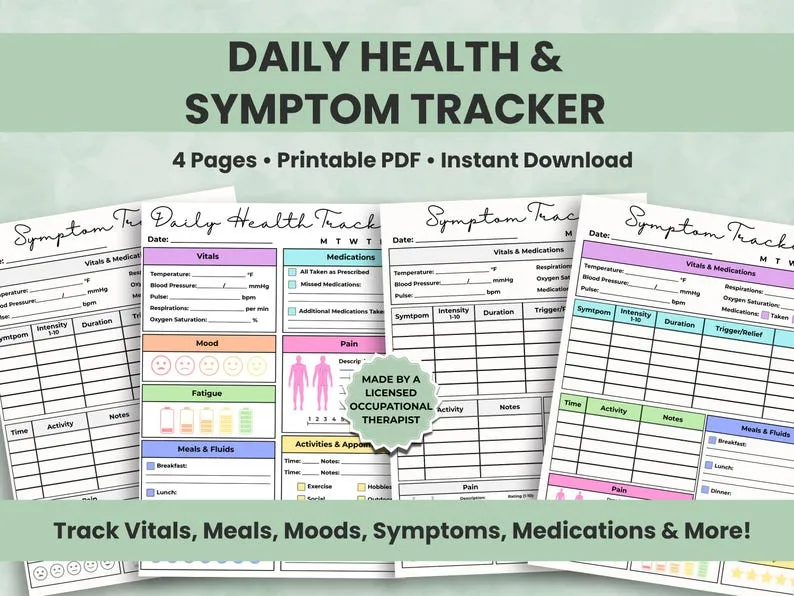
One of the most consistent pieces of advice that patients like Margaret receive—and one that clinical pharmacists at practices like Lasix.Shop frequently reinforce—is the importance of daily weight monitoring. Fluid retention does not always announce itself visibly in the early stages. A two- to three-pound gain over 24 hours, however, can signal that fluid is accumulating before swelling becomes apparent.
Patients are generally advised to weigh themselves at the same time each morning, after using the bathroom and before eating, using the same scale. A sustained gain of more than two pounds in a day or five pounds over a week is typically a threshold that warrants a call to a healthcare provider. This simple practice has kept many patients out of the emergency room.
David, 54 — Hypertension, Edema, and a Return to the Golf Course
David, a project manager from the Atlanta area, had been managing high blood pressure for several years when his physician noticed that his lower extremities were retaining fluid—a common secondary effect in patients whose blood pressure is not optimally controlled. His prescription was adjusted to include a thiazide diuretic, a class commonly used in hypertension management.
The results were not instantaneous, and David is candid about the adjustment period. "The first couple of weeks, I felt like I was running to the bathroom constantly. I had to think about where I was going before I left the house."
That adjustment period—characterized by increased urination, particularly in the first hours after taking the medication—is well-documented and typically subsides as the body acclimates. Pharmacists often advise patients to take their diuretic in the morning rather than the evening to minimize nighttime disruptions to sleep.
For David, the trade-off proved worthwhile. His blood pressure readings stabilized, the swelling in his legs diminished, and within two months he was back on the golf course—something he had quietly given up, telling himself he was simply too tired.
"I didn't realize how much the fluid was affecting my energy," he reflects. "I thought I was just getting older."
The Lifestyle Adjustments That Amplify Results
Patient stories consistently highlight that diuretic therapy is most effective when paired with deliberate lifestyle choices. Sodium restriction is perhaps the most impactful. The standard recommendation for patients with heart failure or significant edema is to limit daily sodium intake to 2,000 milligrams or less—a goal that requires reading nutrition labels carefully and being mindful of restaurant meals, which are frequently high in hidden sodium.
Fluid management is another area where patients often receive individualized guidance. While staying hydrated is important, some patients—particularly those with more advanced heart failure—are advised to limit total daily fluid intake to prevent the kidneys from becoming overwhelmed. This is a nuanced recommendation that should always come from a physician or clinical pharmacist familiar with the patient's specific condition.
Regular, moderate physical activity, where medically appropriate, has also been shown to support circulation and reduce peripheral edema. Even short walks can assist in moving fluid from the lower extremities back toward the heart.
Sandra, 72 — Finally Sleeping Through the Night
Sandra, a grandmother from rural Tennessee, describes her experience with edema-related sleep disruption with characteristic directness: "My legs would ache so badly at night that I'd have to get up and walk around just to get any relief. My husband was losing sleep too."
After her physician added a diuretic to her existing blood pressure regimen, the nighttime aching diminished significantly within the first month. She now elevates her legs for thirty minutes each afternoon—a simple intervention her pharmacist suggested—and reports sleeping through the night for the first time in years.
"I didn't think a pill could make that kind of difference," she says. "But it wasn't just the pill. It was understanding what I needed to do alongside it."
Sandra's comment points to something that every patient account in this feature touches on: the value of informed, supported treatment. A prescription alone is the beginning of the process, not the whole of it.
The Role of Your Pharmacy Team in Long-Term Success
The patients whose stories appear here share a common thread beyond their diagnoses—each of them, at some point, had a conversation with a pharmacist or physician that changed how they understood their treatment. That conversation might have been about sodium intake, about the right time of day to take their medication, about what symptoms should prompt a call to their doctor, or about why their daily weight log matters.
At Lasix.Shop, we believe that every patient deserves that level of engagement. Dispensing a prescription is a transaction; helping a patient understand how to live well with their treatment is a relationship. Whether you are newly prescribed a diuretic or have been managing your therapy for years, our pharmacists are here to answer questions, review your medication profile, and help you get the most from your treatment.
The stairs Margaret climbs again, the golf course David returned to, the uninterrupted nights Sandra now enjoys—these outcomes are not accidental. They are the result of good medicine, carefully guided.